

Ocean vs River Cruise: Which is for Me?
River vs. Ocean Cruises: Surprised by the Difference
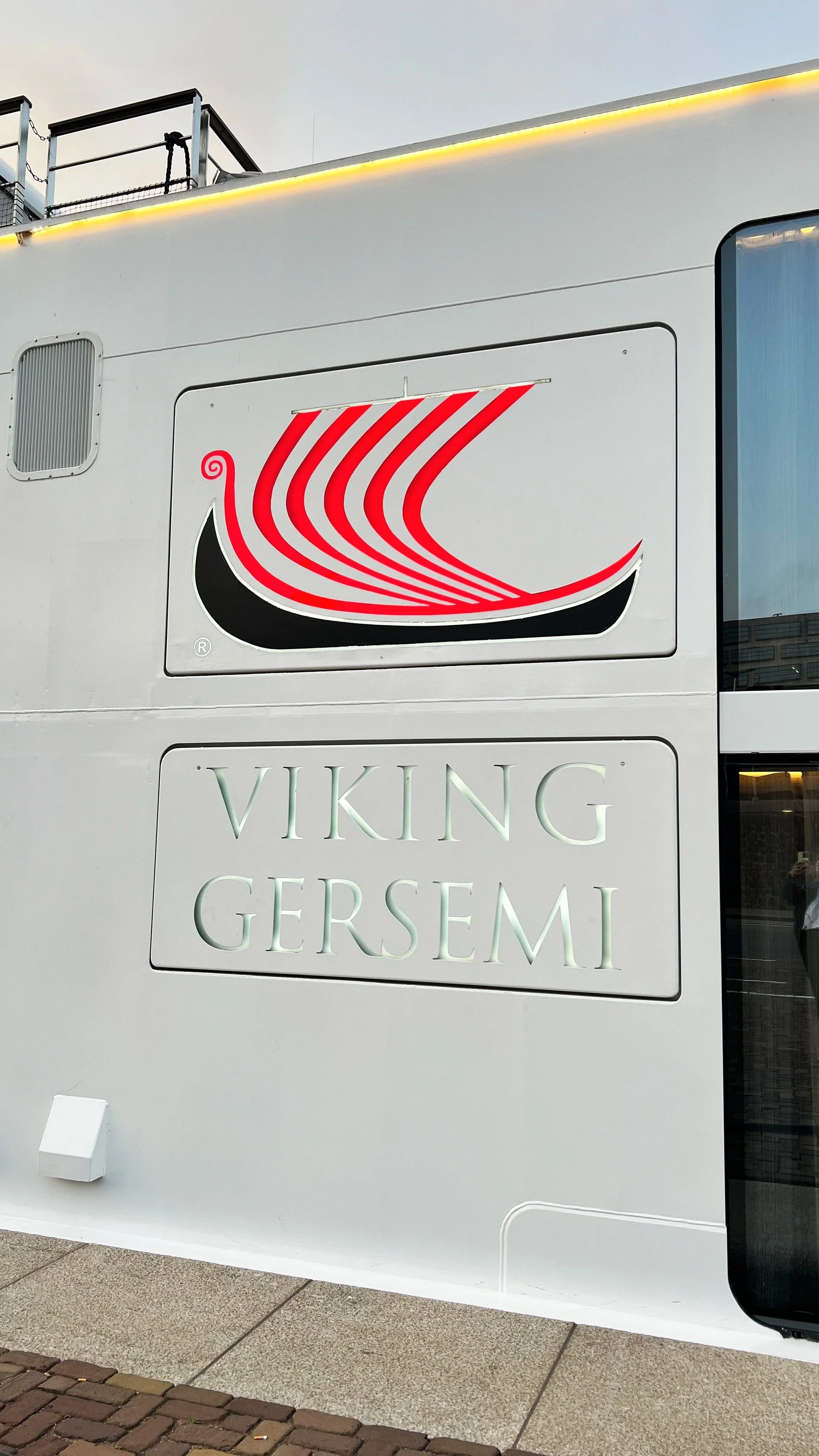
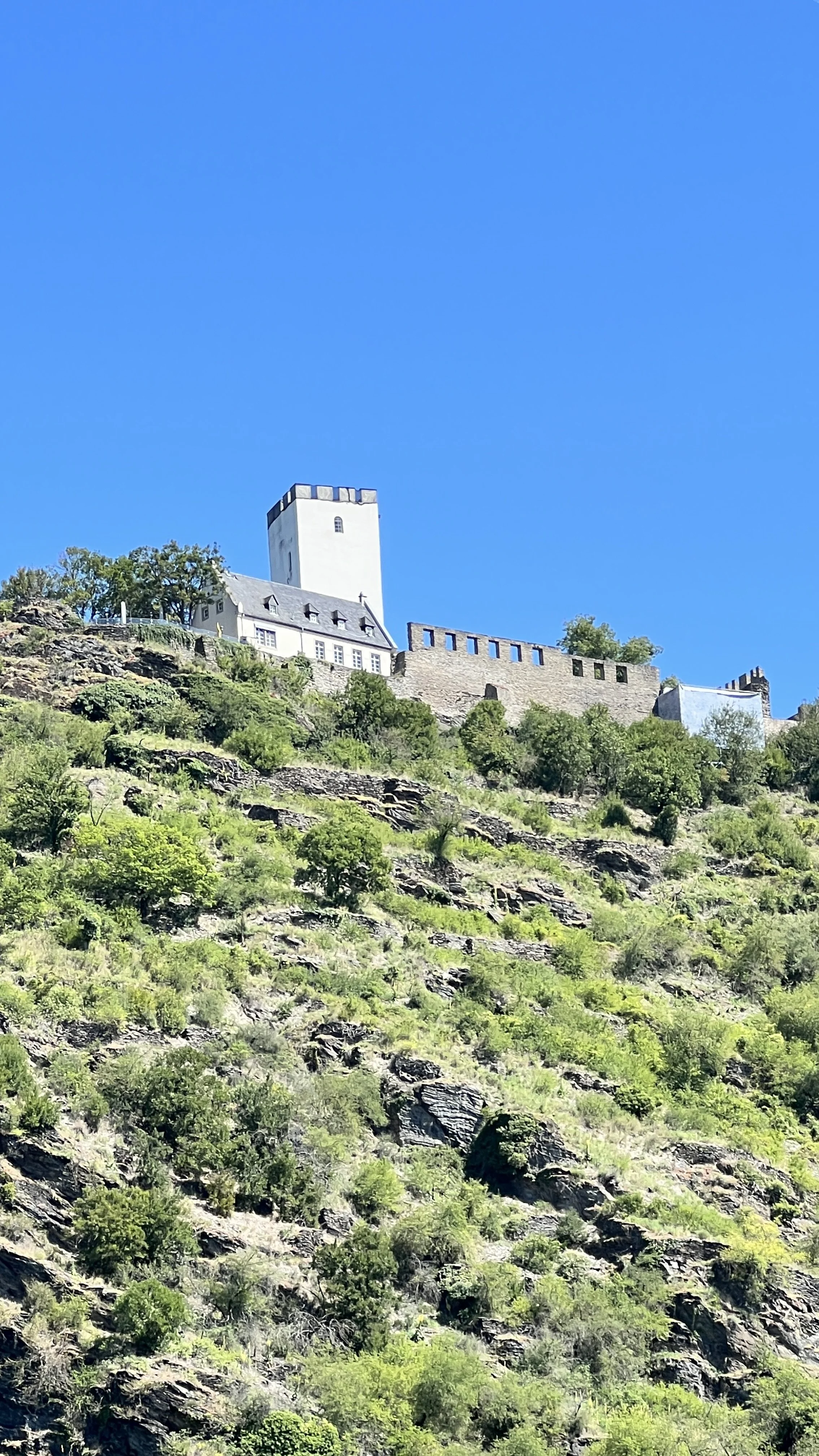
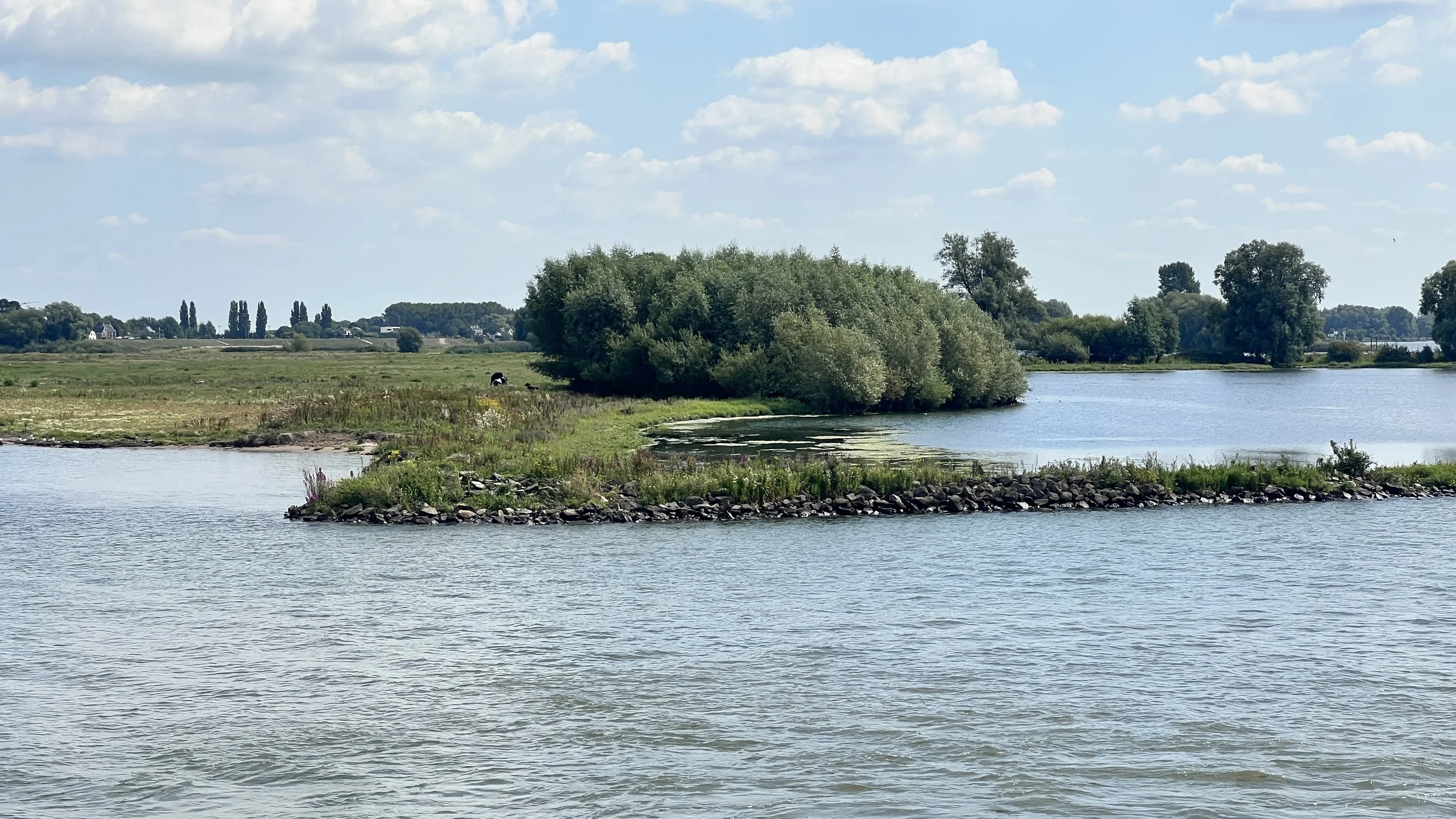
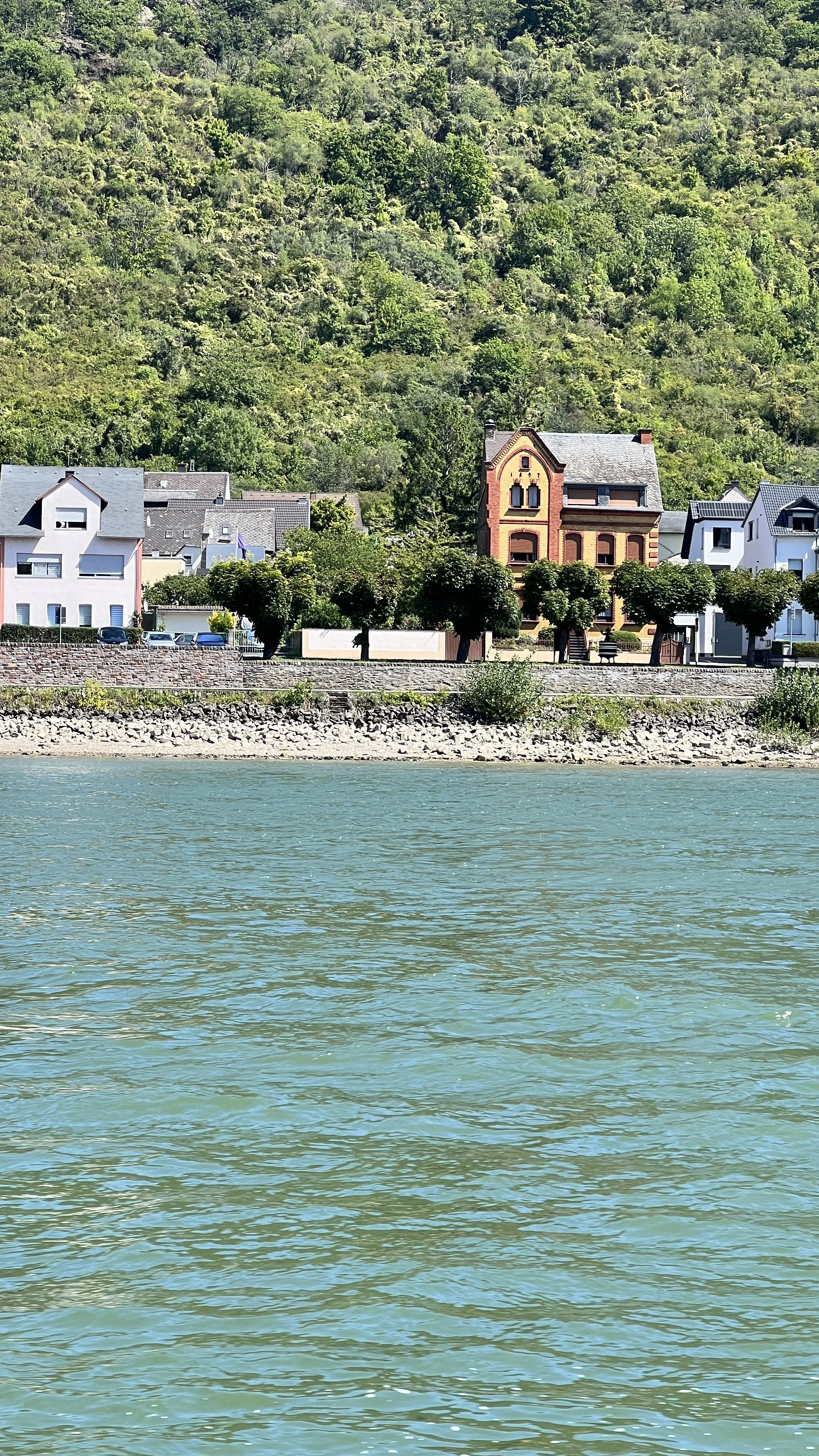
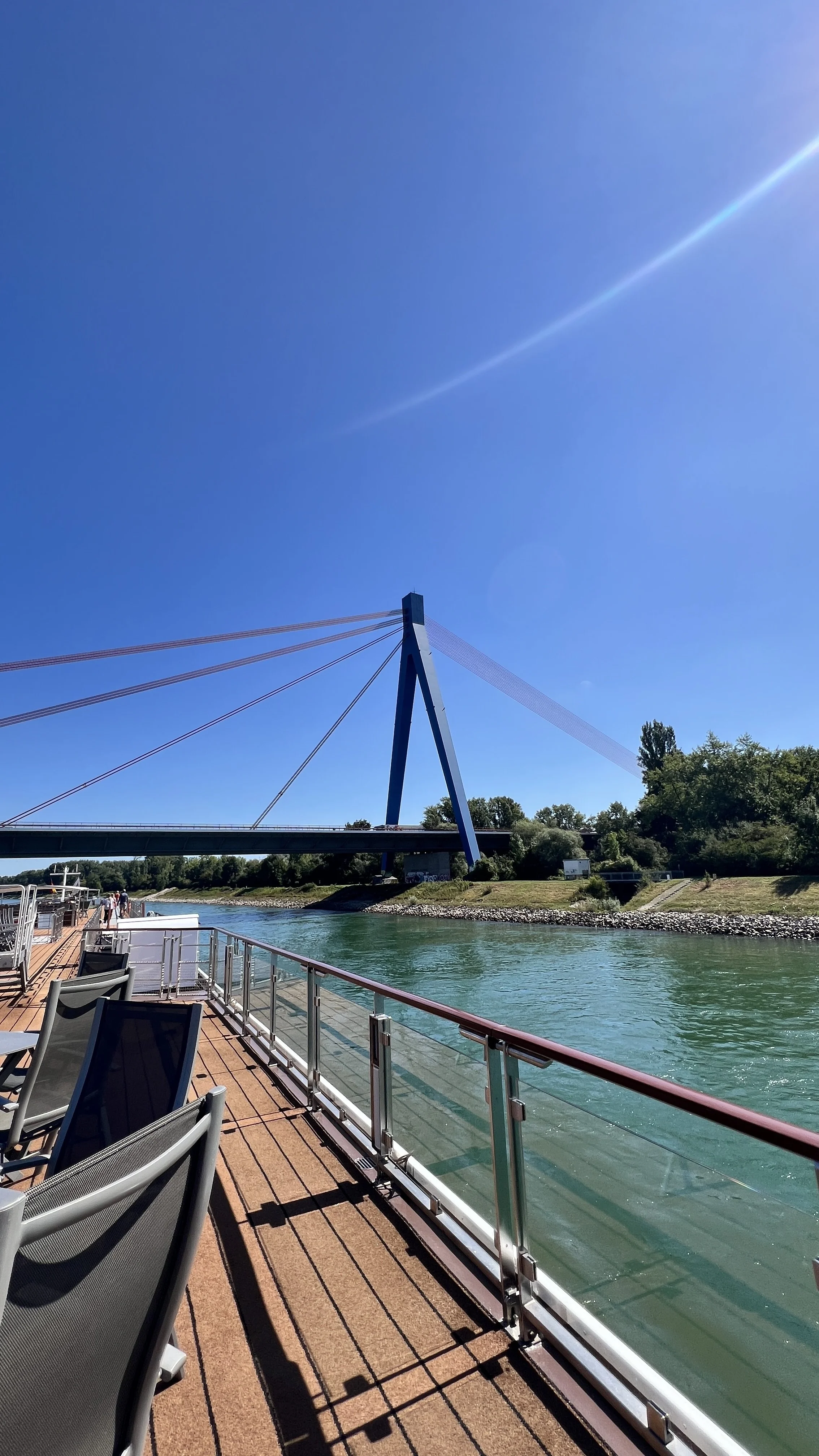
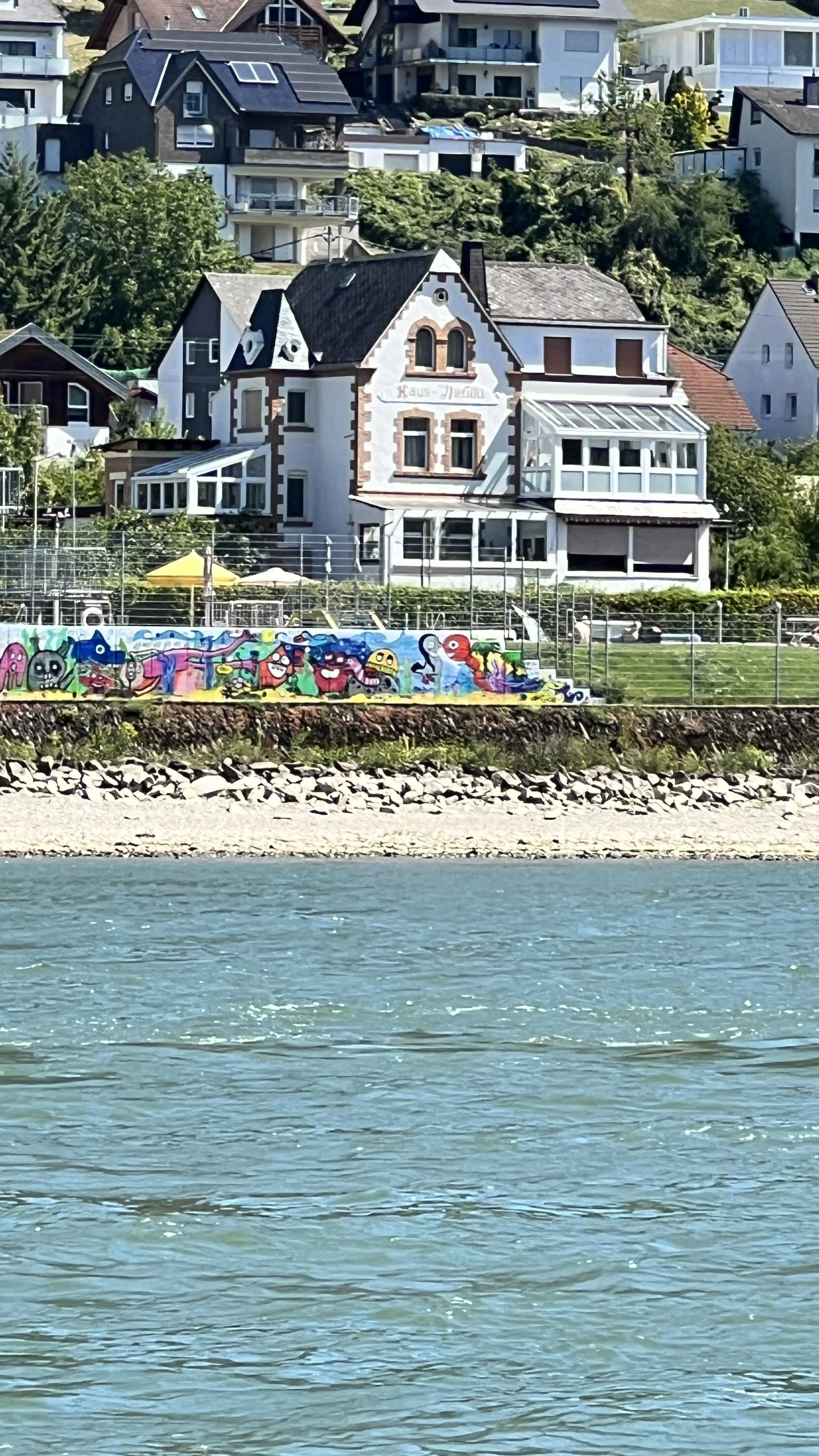
After years of ocean cruising—floating cities with endless entertainment, bustling atriums, and themed restaurants—I thought I knew what to expect at sea. But my first river cruise on the Rhine River with Viking taught me that life along the rivers flows at a completely different pace. And while I was initially surprised (maybe even a little shocked) at how quiet life onboard was, by the end of the trip I found myself appreciating the shift in focus—from shipboard spectacle to shoreside discovery.
Life Onboard: Quiet Elegance vs. Constant Entertainment
If you’re used to ocean cruises, where there’s always a trivia game, a production show, or a live band to fill every hour, a river cruise might feel surprisingly still. On Viking’s Rhine Getaway from Amsterdam to Basel, there were no casinos, no climbing walls, and no late-night dance clubs. The “activity” onboard was conversation—over wine, over dinner, or while watching the scenery glide by from the Aquavit Terrace.
Viking’s philosophy is simple: the river itself is the main attraction. Days start early with guided tours, and by evening most passengers are content to relax with a cocktail while listening to live piano music, or attend a short port talk previewing tomorrow’s adventures. There’s no pressure to buy drink packages or spa treatments—it’s travel designed to get you off the boat, not keep you on it.
The Food and the People: Where Viking Shines
What the ship lacked in activity, it made up for in exceptional service and cuisine. The crew went out of their way to make every guest feel like family—greeting us by name, remembering our coffee order, which was English Breakfast Tea, and offering assistance on and off the ship with a steadying arm or a warm smile.
The meals were a highlight. Viking’s chefs themed menus to match each destination: German bratwurst and pretzels in Koblenz, French-inspired dishes in Strasbourg, and freshly baked Dutch pastries as we departed Amsterdam. Every meal felt connected to the journey itself—a culinary extension of the places we visited.
The Ports: Stories, Scenery, and Surprises
Each stop along the Rhine offered something special—and something different.
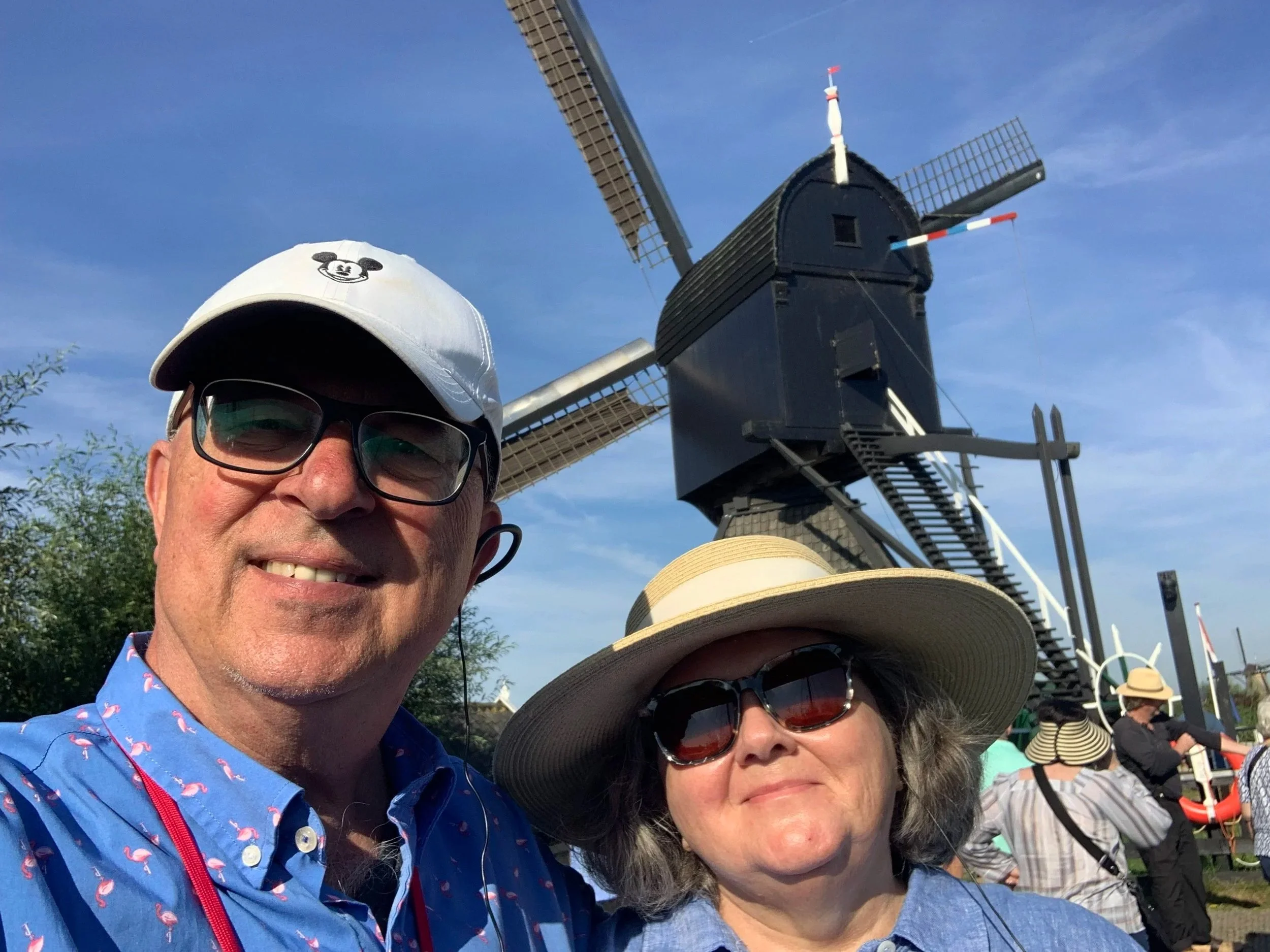
Kinderdijk, Netherlands – Our first major stop introduced us to the iconic Dutch windmills. Walking among these towering wooden structures, learning how they once protected entire villages, and continue to protect the area from flooding, was like stepping into a storybook. Touring one of the oldest windmills in the area gave us a real sense of the resilience and ingenuity of the people who built them.
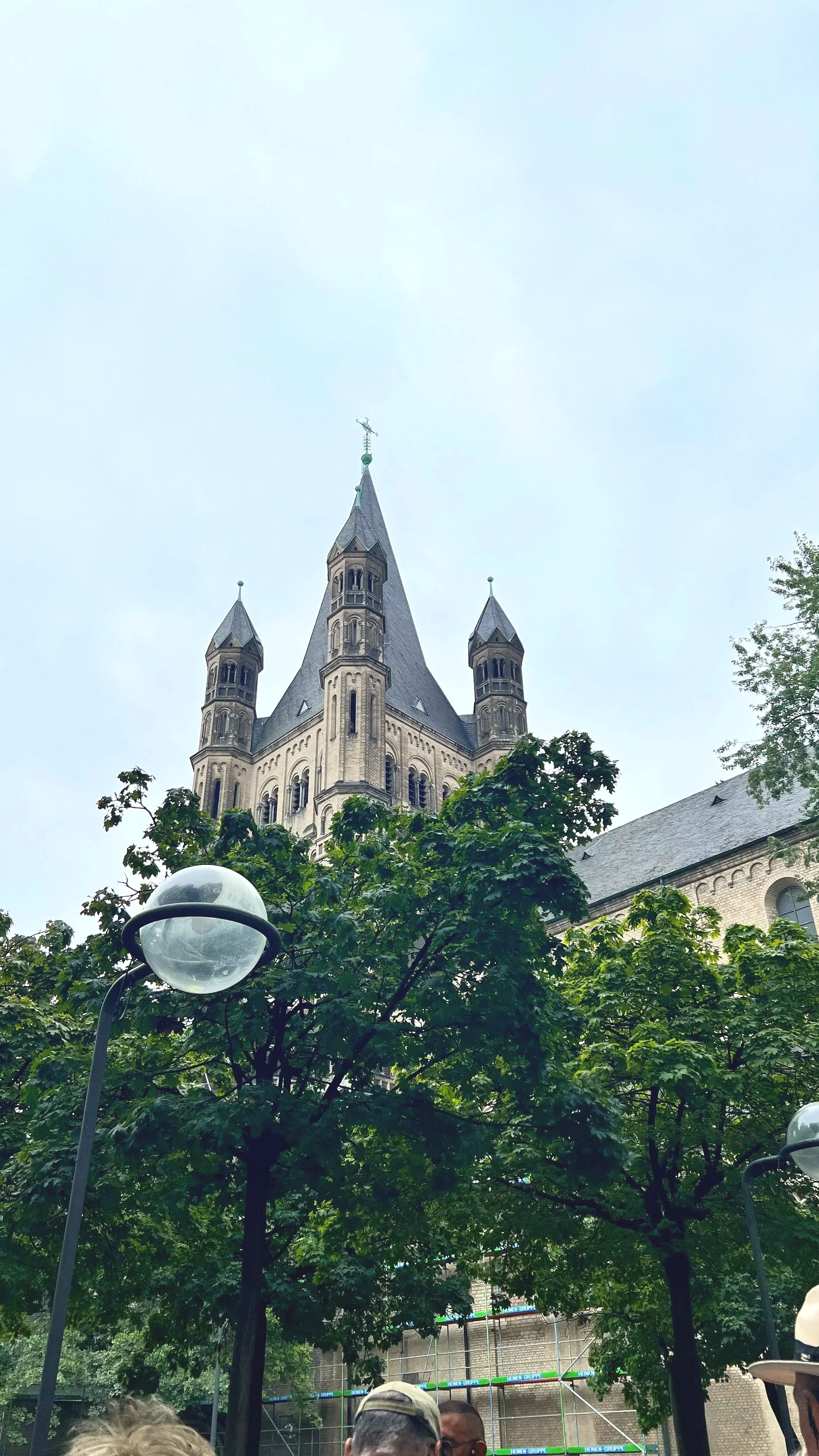
Cologne, Germany – A bustling city with its stunning cathedral dominating the skyline. The walking tour offered both historical insight and a taste of modern Germany, though the guide’s tone made all the difference. Some guides brimmed with enthusiasm; others leaned a bit too heavily into local frustrations, reminding us that the guide can shape the entire tone of a tour.
Koblenz, Germany – This charming town sits where the Rhine meets the Moselle, and even though most shops were closed (it was Sunday), the cobblestone streets, fountains, and flower-filled plazas made it easy to wander and imagine life centuries ago.
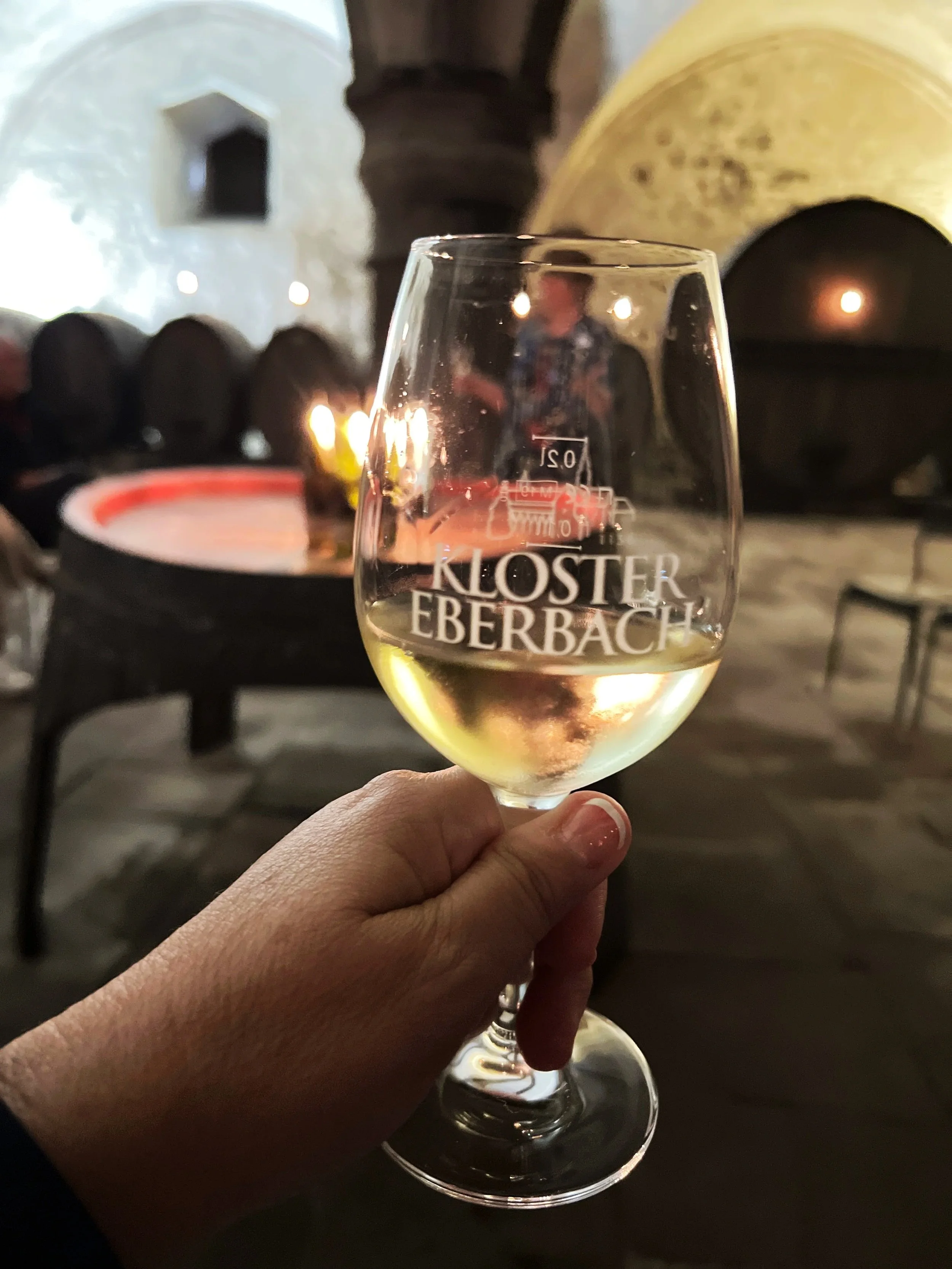
Rüdesheim & the Eberbach Monastery – One evening we joined a wine tasting at the monastery, sampling a variety of Rieslings. The Dry Riesling was my surprise favorite—crisp, light, and far less sweet than I expected. The setting, centuries old and softly lit, made the experience even more memorable.
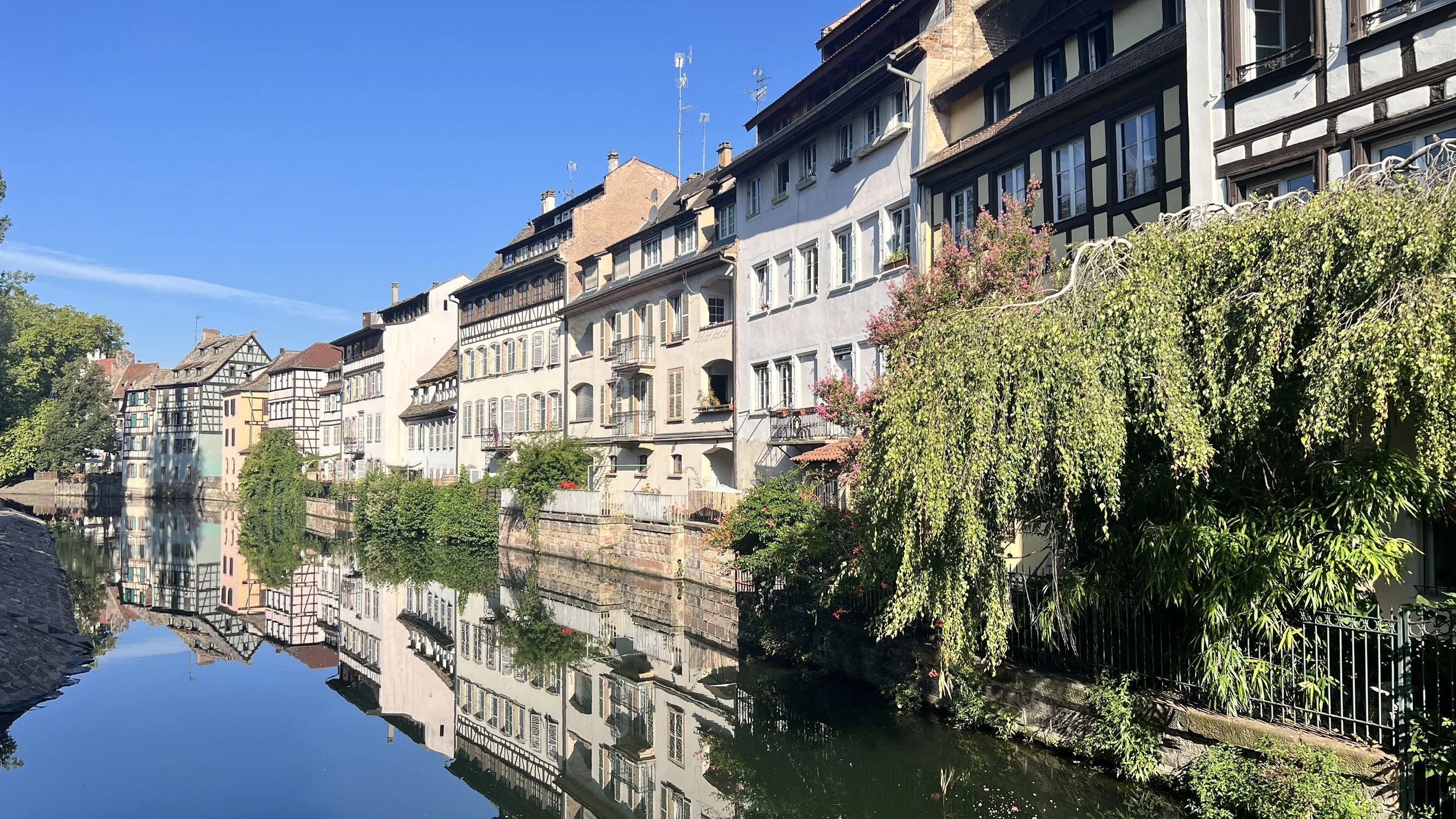
Strasbourg, France – Often called a German village in France, Strasbourg is pure storybook charm. Its canals are lined with half-timbered houses, and you’ll still see hand-operated drawbridges lifting for passing boats. Every corner begged for a photograph.
Speyer and Breisach – Both smaller towns offered peaceful, walkable streets and plenty of history. Each free excursion included with the cruise was thoughtfully designed to be accessible, making it easy for travelers of all ability levels to explore.
Accessibility and Ease of Travel
Getting on and off the ship was smooth, but there were moments—particularly when the river level was low or the dock was far below street level—where ramps and stairs posed challenges for those with limited mobility. The Viking crew, however, was always ready to help, whether that meant offering an arm, guiding a walker, or calling for assistance at the gangway.
Final Thoughts: Two Different Styles of Adventure
If ocean cruises are about escape—entertainment, indulgence, and staying onboard—then river cruises are about immersion. They pull you into the rhythm of each new town, the history of every bend in the river, and the stories shared over dinner.
As someone who’s cruised both, I’d say it’s less about which is better and more about what you’re looking for. Ocean cruises keep you busy; river cruises let you breathe.
So if you’re ready to trade Broadway-style shows for bell towers and busy pool decks for quiet riverbanks, a Rhine River cruise with Viking just might surprise you—in the very best way.
